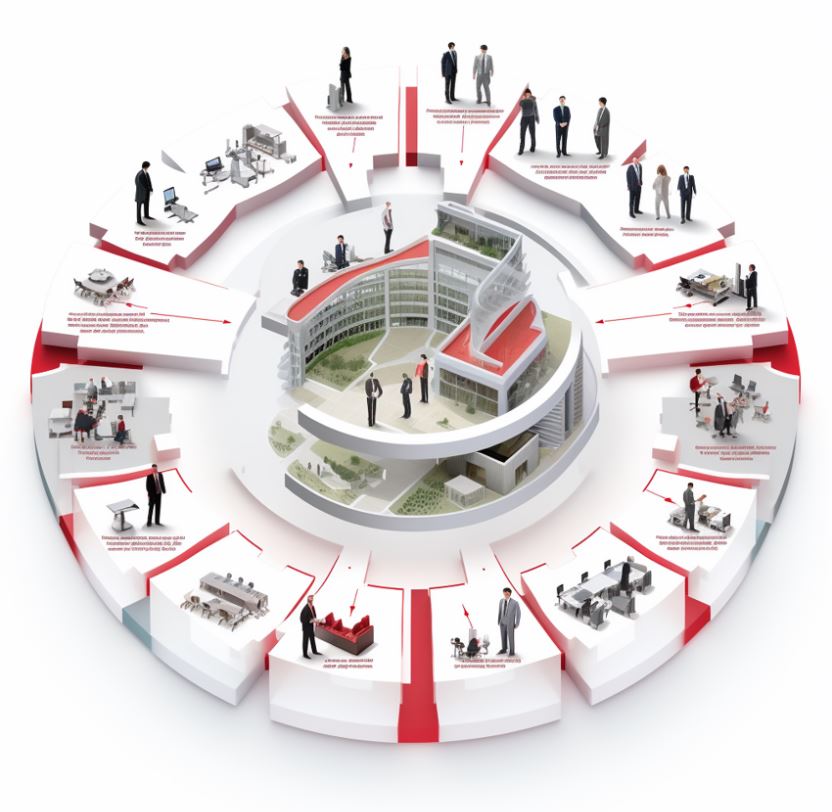
سامانهٔ کنترل ساخت من بهعنوان پروژهٔ طراحی و توسعه ثبت شده است. تمرکز یادداشت بر مسئولیت روشن، سوابق قابلاتکا و ارتباط حرفهای است. کار توسعه، نمونهٔ اولیه و استقرار عملیاتی باید جداگانه و با شواهد مرتبط بیان شوند.
انگلستان: الزامات مرتبط با اجرای پروژه
در رویهٔ حرفهای متناسب با انگلستان، وظایف به افراد ذیصلاح واگذار و قانون، راهنمای حرفهای و قرارداد جدا میشوند. سیستم دیجیتال، مالک و قاعدهٔ بررسی روشن میخواهد؛ اتوماسیون به معنی انتصاب قانونی یا ثبت حرفهای نیست.
هماهنگی مبتنی بر BIM و کنترلهای تکرارپذیر
الگوی ترکیبی مدیریتی خود را پیرامون ثبتهای قابلاستفادهٔ مجدد و اطلاعات مرتبط پروژه توسعه دادهام. کار پلتفرم من همچنان طراحی و توسعه معرفی میشود. پیش از استفادهٔ عملیاتی، کنترل خودکار به قواعد آزموده، مسئول پاسخگو و رسیدگی استثنا نیاز دارد؛ استقرار یا نتیجهٔ بهرهوری فرض نمیشود.
مرجع عملی گردشکار. نقشهای مشخص در پروژهها و چارچوب مقررات جاری انگلستان، جداگانه در بخشهای بالا توضیح داده شدهاند.
متن فنی اصلی به زبان انگلیسی — برای مطالعه باز کنید
Business and Practice Management in architecture encompasses several key categories that fall into a hierarchy of importance based on the typical architecture firm’s operational needs. Here are these categories in order:
1. Strategic Planning
Vision and mission setting
Business model development
Long-term goal setting
Market analysis
2. Operational Management
Day-to-day operations
Project management frameworks
Workflow optimization
Resource allocation
3. Financial Management
Budgeting and accounting
Profitability analysis
Financial reporting
Cost control
4. Human Resources Management
Hiring and staffing
Employee development and training
Team composition and leadership
Performance evaluations
5. Client and Project Acquisition
Marketing strategies
Client relationship management
Proposal preparation and bidding
Negotiation and contract management
6. Risk Management
Legal considerations
Insurance
Quality Assurance/Quality Control (QA/QC)
Contingency planning
7. Communication
Internal communication policies
External communication with clients and stakeholders
Public relations
Branding and reputation management
8. Professional Practice
Ethical guidelines and professional standards
Licensure and accreditation
Continuing education
Industry involvement and community service
9. Innovation and Growth
Research and development
Technological advancement
Diversification strategies
Expansion planning
10. Sustainability and Resilience
Sustainable design and building practices
Adaptability to changing environments
Resilience planning
The exact order of these categories can shift based on specific firm goals, market conditions, and individual project demands. However, this list provides a structured approach to understanding the multifaceted nature of managing an architecture practice.
تصاویر و نمودارهای مرتبط
تصویر مرتبط با گردشکار؛ برای دیدن اندازهٔ کامل، روی تصویر بزنید.