 Saeed Azarshab
The cultural significance of the Zahir-ol-Islam House in Tehran, Iran, and its preservation
What can a historic house teach us about conserving heritage in its own cultural context?
Mohammad Saeed Azarshab · Hoorieh Sohani · Abdol Majid Azarshab
English author accepted manuscript: 67 supplied pages plus one citation and rights cover. Please cite the published article when using this research.
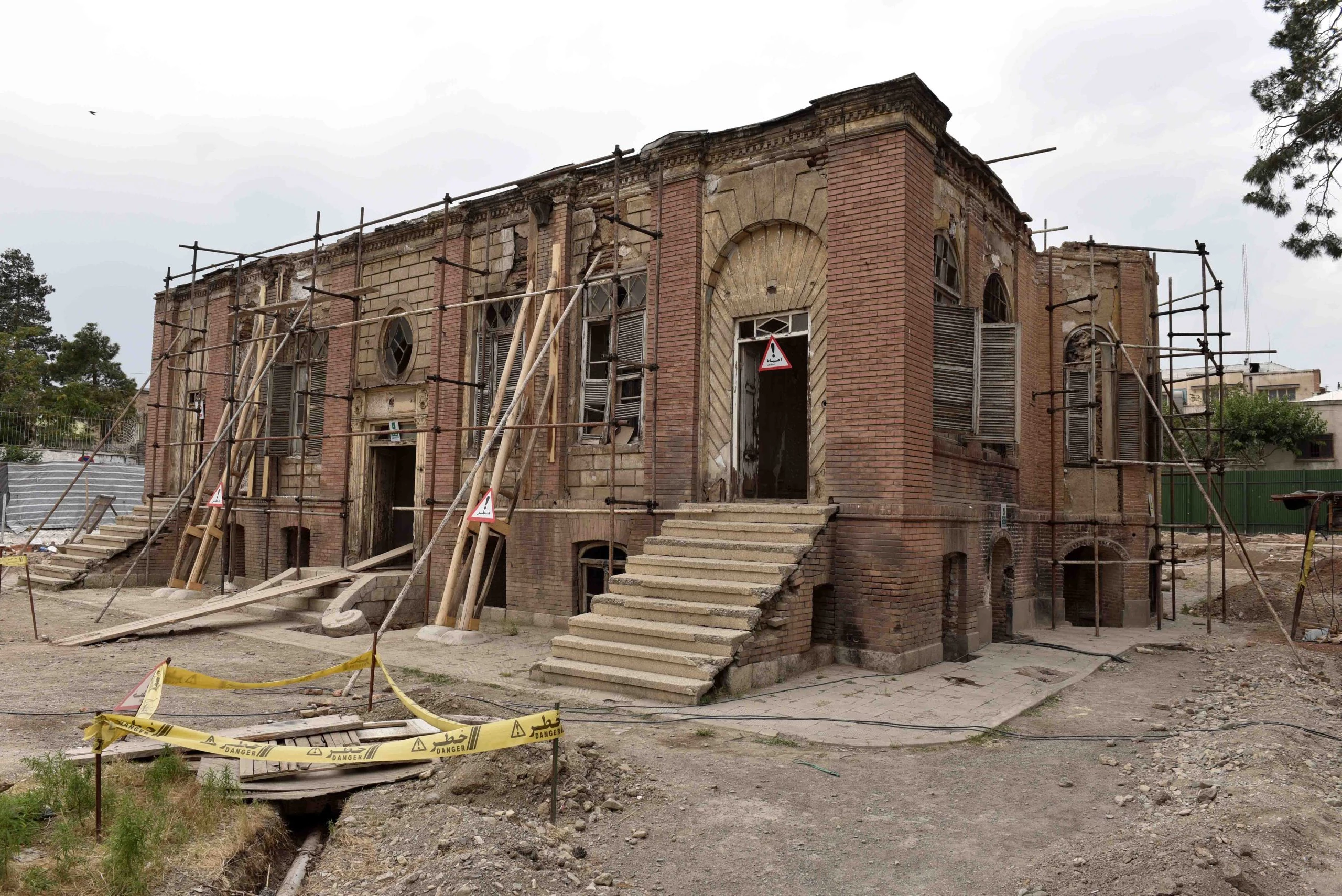
Understanding significance before deciding how to conserve
This case study examines the cultural significance and conservation of the Zahir-ol-Islam House in Tehran. Drawing on archival records, direct observation and physical evidence, it explores how international conservation principles, particularly the Burra Charter, can be applied within an Iranian context. The findings highlight the need for flexible, context-sensitive approaches to heritage conservation and adaptive reuse.
The contribution is not a universal restoration recipe. It is a case-based examination of how heritage values, a building’s development and international guidance can inform conservation decisions in a specific local setting.
Explore the related restoration project · Mohammad Saeed Azarshab’s ORCID
Three ideas to take from the study
Read the evidence
Bring archival sources, direct observations and physical evidence together to understand the building’s development and cultural values.
Test the framework
Examine the application of the Burra Charter rather than assuming international principles translate unchanged into every setting.
Respond to context
Recognise the limits of universal conservation models and the need for flexible, context-sensitive conservation and adaptive reuse.
Published abstract
Purpose
Heritage buildings are living witnesses of past traditions, carrying cultural and historical values into the present. International charters have been developed to codify principles and processes aimed at preserving these values. However, the localization and practical application of these charters in diverse contexts remain a subject of debate. This study examines the monumental preservation process of the Zahir-ol-Islam Mansion, a national heritage site that required extensive conservation efforts.
Design/methodology/approach
The research employs a qualitative, descriptive and analytical methodology, using the mansion as a case study to localize international conservation principles. The study uses multiple data sources, including archival records, documents, direct observations and physical artefacts. The conservation and restoration process were structured according to the Burra Charter framework, each step critically assessed against international standards by a restoration specialist to ensure the protection of the site’s heritage values.
Findings
In this article, we have studied to understand the cultural significance of the building, according to the Burra Charter process and discovered different phases of the building process despite the limited available information. This case study demonstrates the limitations of universal conservation models and highlights the need for more flexible, context-sensitive approaches.
Originality/value
This study is innovative in the application of Eurocentric conservation charters within the Iranian context, highlighting both their strengths and limitations. It also identifies gaps in international guidelines when faced with real-world challenges, advocating for a context-sensitive planned approach.
اهمیت فرهنگی خانه ظهیرالاسلام در تهران و حفاظت از آن
پژوهشی از محمدسعید آذرشب (سعید آذرشب)، حوریه سوهانی و عبدالمجید آذرشب
این پژوهش با بررسی خانه تاریخی ظهیرالاسلام در تهران، کاربرد منشورهای بینالمللی حفاظت، بهویژه منشور بورا، را در بستر ایران مطالعه میکند. پژوهش با استفاده از اسناد آرشیوی، مشاهده مستقیم و شواهد کالبدی، مراحل تحول بنا و ارزشهای فرهنگی آن را بررسی کرده و بر ضرورت رویکردهای منعطف و متناسب با شرایط محلی در حفاظت و استفاده مجدد از بناهای تاریخی تأکید میکند.
Where this case study can inform your research
This study is relevant to research on cultural significance, the application of the Burra Charter in Iran, and context-sensitive heritage conservation. It combines archival records, direct observation and physical evidence from one historic house in Tehran.
Use it as a documented case study when discussing these questions, not as a universal restoration method or evidence of BIM performance. Read the published article before citing its findings.
Cite this research
Azarshab, M.S., Sohani, H. and Azarshab, A.M. (2025), “The cultural significance of the Zahir-ol-Islam House in Tehran, Iran, and its preservation”, Engineering, Construction and Architectural Management, pp. 1–25. https://doi.org/10.1108/ECAM-06-2025-0919
Citation metadata checked against Crossref on 11 October 2026; no volume or issue is currently assigned.
Permanent article link: doi.org/10.1108/ECAM-06-2025-0919
Read and download the full article
When using or relying on the article’s text, findings, data or figures, cite the published article using the reference and DOI below. Downloading alone does not create a citation.
Author accepted manuscript (AAM), not the publisher PDF. All 67 supplied pages are unchanged; one deposit citation/copyright cover has been added (68 pages total).
© Emerald Publishing Limited. Personal use only under the publisher’s AAM self-archiving policy. Other uses require permission where applicable; no new Creative Commons licence is granted.
What is the scope of this research?
Heritage significance and conservation in an Iranian case study, including the application of international charters. It is not a BIM or structural-analysis study.