یادداشت‌های فنی تکمیلی

ارتباط تأسیسات و سازه

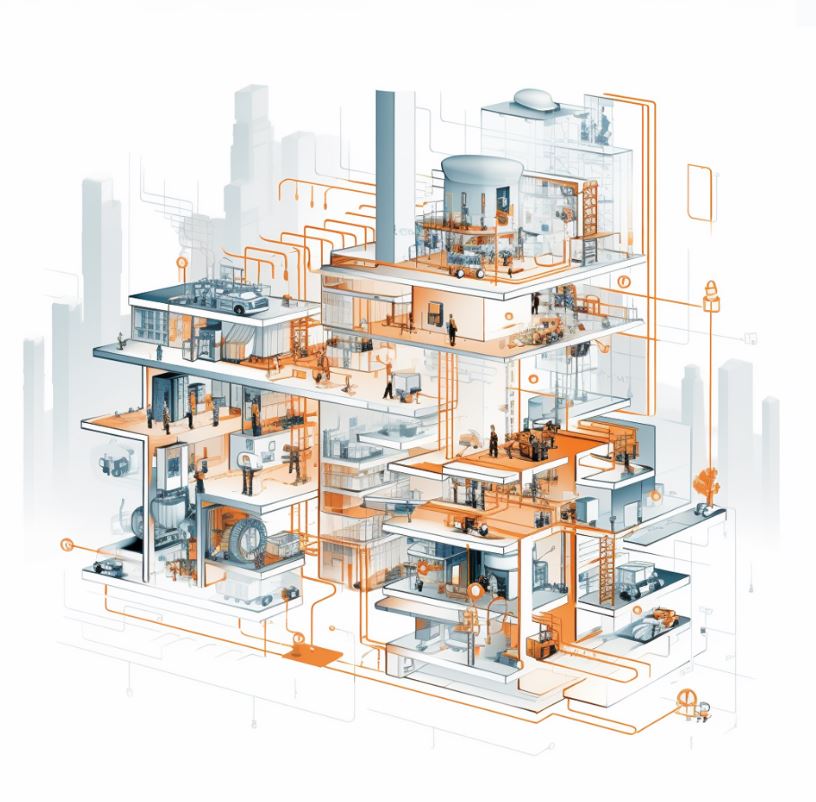
ارتباط تأسیسات و سازه — تصویر گردش‌کار 1
ارتباط تأسیسات و سازه

تمرکز یادداشت بر ارتباط اجرایی سازه، معماری و تأسیسات مکانیکی، برقی و بهداشتی است. هماهنگی نیازها را روشن می‌کند؛ اما مسئولیت طراحی مهندسی، آزمون تخصصی یا صدور گواهی را به هماهنگ‌کننده منتقل نمی‌کند.

انگلستان: الزامات مرتبط با اجرای پروژه

در انگلستان، سازه و تأسیسات با الزامات مرتبط حریق، تهویه، فاضلاب، انرژی و برق هماهنگ می‌شوند. بازشو، آتش‌بندی و دسترسی نگهداری به جزئیات هماهنگ و طراحی، بازرسی و آزمون تخصصی مناسب نیاز دارند.

هماهنگی مبتنی بر BIM و کنترل‌های تکرارپذیر

بررسی مبتنی بر مدل، بازشوی سازه، ناحیهٔ تأسیسات و حریم دسترسی را به مسئله و مسئول مرتبط می‌کند. کنترل تکرارپذیر رابط‌ها تداخل را آشکار می‌کند؛ پذیرش فنی و تأیید نصب، مراحل جدا هستند.

تمرکز کاری من

  • بررسی بازشو، مسیر، دسترسی و رواداری نصب.
  • ثبت ارتباط‌های حل‌نشده پیش از صدور مجوز بستهٔ کاری.

این یک یادداشت هماهنگی فنی است، نه سابقهٔ شغلی، مدرک یا انتصاب تخصصیِ جداگانه.

سوابق پروژهٔ مرتبط

سوابق زیر نقش، محدوده و دورهٔ مشارکت ثبت‌شده را نشان می‌دهند. پیوند به پروژه، اثبات تمام گردش‌کارها یا نتیجهٔ عددی نیست.

جزئیات گردش‌کار فنی

مرجع عملی گردش‌کار. نقش‌های مشخص در پروژه‌ها و چارچوب مقررات جاری انگلستان، جداگانه در بخش‌های بالا توضیح داده شده‌اند.

متن فنی اصلی به زبان انگلیسی — برای مطالعه باز کنید

Here are some categories in the process:

1. Learning and Understanding System Specifications

This categorizes the system components, defines subsystems, scrutinizes their relationships and identifies relevant standards and constraints.

2. Design Integration Planning

This involves the creation of system blueprints, using software tools like CAD, for the engineering systems that need to be integrated, considering both technical and non-technical requirements.

3. Implementation Phase

This includes the actual integration of different subsystems into a unified whole under the guidance of experienced engineers.

4. Testing and Validation

Check the performance and functionality of integrated systems against the design requirements. Record defects, coordinate corrective work, and verify the results.

5. System Optimization

Adjustments are made as necessary for the optimal performance of the system which allows the process to be more efficient and sustainable.

6. Documentation

This involves documenting the integration process, the changes made, tools used, and the results after integration. This often includes the design and architecture of the whole system and other post-integration activities.

7. Maintenance and Upgrade Planning

This involves long-term planning regarding the maintenance, upgrading and replacing of the components of the integrated system.

8. Troubleshooting and Problem-Solving

Identify faults in integrated building systems, investigate their causes, and coordinate appropriate corrective work with the responsible specialists. Verify system performance after corrective work.

Remember, the work associated with each category will vary substantially depending on the specific architecture firm, the complexity of the projects, and the technologies in use.
تصاویر و نمودارهای مرتبط