Notes techniques complémentaires

Enveloppe du bâtiment et isolation

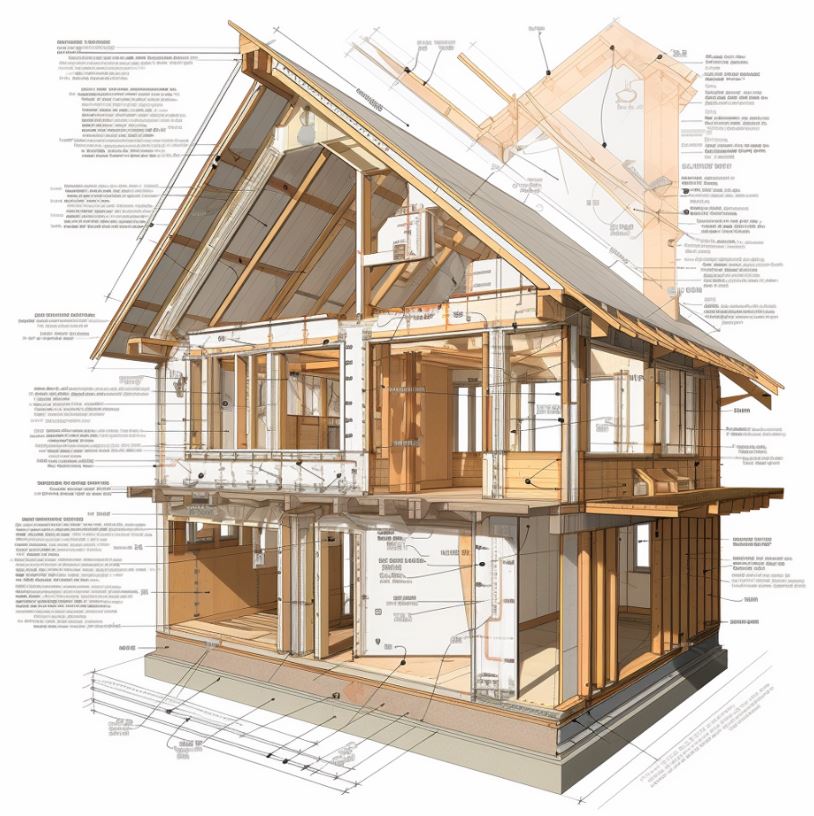
Enveloppe du bâtiment et isolation — Image du processus 1
Enveloppe du bâtiment et isolation

L’isolation est ici replacée dans l’enveloppe : humidité, étanchéité à l’air, interfaces et qualité de pose. Choix des produits et performances au feu ou thermiques exigent des justifications et une revue spécialisées propres au projet, non des détails génériques.

Angleterre : cadre réglementaire de réalisation

Pour l’Angleterre, traiter l’enveloppe comme un système combinant incendie, humidité, ventilation, surchauffe et énergie, notamment avec les parties B, C, F, L et O. Vérifier édition et dispositions transitoires ; une valeur U générique ne démontre pas la conformité globale.

Coordination BIM et contrôles reproductibles

Je relie jonctions, ouvertures et traversées aux détails, produits et inspections avant recouvrement. Une liste reproductible vise à détecter les discontinuités tôt ; analyses thermiques, hygrothermiques et incendie restent spécialisées.

Mes points d’attention

  • Coordonner la continuité aux rives, baies et traversées.
  • Tracer les contrôles avant fermeture des ouvrages cachés.

Il s’agit d’une note de coordination, non d’un emploi, diplôme ou mandat spécialisé distinct.

Fiches projets pertinentes

Ces fiches indiquent le rôle, le périmètre et la période déclarés. Un lien ne prouve pas chaque processus ni un résultat chiffré.

Immeuble résidentiel Seoul

Rôle
Chef de projet construction — Génie civil
Dimensions
10 logements / 13 places de stationnement
Période d’intervention
Juin 2017 — sept. 2019

Le processus technique en détail

Référence pratique de méthode. Les rôles propres aux projets et le cadre réglementaire actuel en Angleterre sont présentés séparément ci-dessus.

Notes techniques originales en anglais — ouvrir pour lire

A building envelope is a set of components that form a physical barrier between the interior and exterior environments. This barrier separates the inside from the outside environment, protecting the occupants from any external weather conditions such as rain, snow, wind, and hot or cold air.

Designing the envelope or skin of a building is a multifaceted process that involves multiple integrated elements. Below are the major categories and details involved in envelope detailing in architecture.

1. Climate and Environmental Analysis

This involves taking into consideration the geographical location of the building, the type of climate, and the environmental variations. This will influence the materials used, the insulation, and the overall design strategy.

2. Material Selection

This entails deciding on the materials that will be used for the building’s envelope. The choices will impact the building’s aesthetic, climate responsiveness, durability, and cost.

3. Thermal Design

It involves specifications for the insulation and air barrier assembly to manage temperature control and energy efficiency.

4. Water and Moisture Control

Designing for sound waterproofing or moisture resistance to prevent any form of water or moisture ingress is crucial; it prevents issues like mold or wood rot. This includes detailing for roofs, walls, windows, and other openings.

5. Air and Vapor Barriers

Designing how to prevent air leaks, or drafts, through the construction connections and transitions. This also involves the use of vapor barriers to manage the diffusion of moisture into the building.

6. Acoustic Design

The envelope’s design should also consider noise reduction, especially for buildings in noisy environments.

7. Fire Resistance

The design and detailing should make use of materials and systems that can retard the spread of fire.

8. Detailing for Construction

This involves making detailed drawings and specifications that show how the building envelope will be constructed. This includes how different materials and parts of the building will be connected and sealed.

9. Facade Engineering

Involves the detailed design of the external envelope or facade, often done by specialized engineers.

10. Sustainability

Given contemporary concerns about the environmental impact of buildings, envelope design should consider sustainable materials and strategies.

11. Code Compliance

The design must conform to local building codes and regulations.

12. Maintenance Considerations

Designing for low maintenance and easy access to the parts of the envelope that require regular inspection.

Keep in mind that all these considerations need to be integrated and aligned with the overall architectural concept and design intention. This requires careful detailing so that the envelope is not just a wrapper but contributes to and enhances the overall architectural quality and performance of the building.
Images et schémas associés