Seoul Residential Building
- Role
- Construction Project Manager — Civil Works
- Scale
- 10 units / 13 parking spaces
- Involvement
- Jun 2017 — Sep 2019

Construction Project Management · Saeed Azarshab
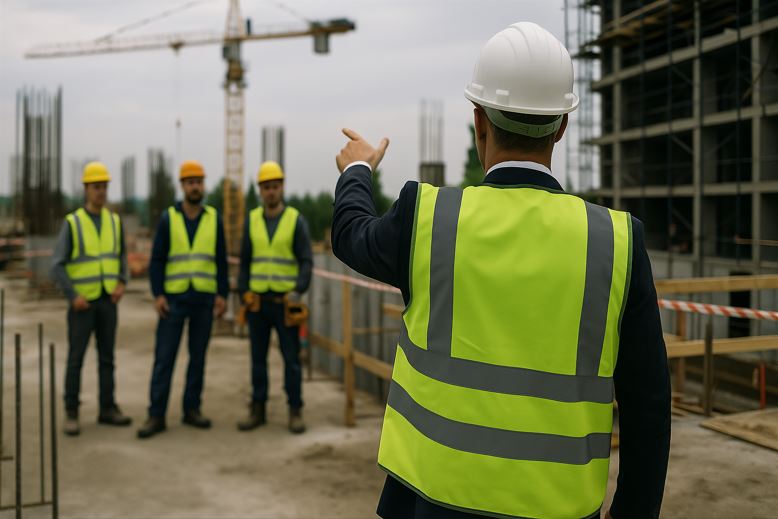
I treat safety as a coordination responsibility within my assigned construction role: communicate constraints, involve competent specialists and follow up recorded actions. Risk controls and specialist safety assessments remain with the competent, appointed team.
CDM 2015 provides the construction health-and-safety framework applicable in England, supported by task-specific legislation such as work-at-height and asbestos requirements. CDM Principal Designer/Principal Contractor duties differ from the similarly named Building Regulations roles; each requires an appropriate appointment and competence.
Model views can make access, maintenance and sequencing risks easier to discuss with the safety team. I connect observations to named actions and closure evidence; automated reminders do not replace competent risk assessment, supervision or a safe system of work.
The records below show the stated role, scope and involvement. A project link does not prove every workflow or a quantified outcome.
Practical workflow reference. Project-specific roles and the current England regulatory context are described separately above.
• Leading Toolbox Talks and Safety Training
Toolbox meetings
Induction sessions for new workers
Training on equipment, PPE, and task-specific hazards
This ensures awareness, compliance, and shared responsibility for safety.
• Developing Site-Specific HSE Plans
Risk assessments for all major activities
Permit-to-work systems (e.g., for excavation, working at height)
Emergency response procedures
Roles and responsibilities for safety personnel and site staff
These plans are based on the scope, site conditions, and project phase.
• Incident Reporting and Root Cause Analysis
Ensure accurate reporting and investigation
Perform root cause analysis
Coordinate with site engineers and subcontractors to prevent recurrence
Maintain full transparency with clients and regulators
• On-Site Safety Audits and Inspections
Check compliance with safety protocols
Identify unsafe behaviors or site conditions
Monitor scaffold integrity, signage, barricades, and access routes
Issue non-compliance reports and track corrective actions
Tool/Skill | Purpose |
HSE Management Plans | Customized safety procedures for project-specific risks |
Daily Safety Checklists | Routine inspections and compliance documentation |
Incident Logs / Reports | Transparent incident tracking and analysis |
PPE and Safety Training | Enforcement of personal and collective protection |