Tavanir Office Building
- Role
- Construction Project Manager
- Scale
- 10 offices / 36 parking spaces
- Involvement
- Oct 2019 — Aug 2022

Supporting technical notes

Construction delivery connects scope, programme, commercial information, quality and stakeholder decisions. This overview explains that management approach alongside my project records; it is not a claim that one person holds every design, safety or contractual duty.
My England-focused delivery framework keeps statutory duties, design responsibilities and contractual authority visible across the project lifecycle. Planning, building control and CDM are coordinated workstreams, not interchangeable approvals, and the applicable requirements must be checked for each project.
My combined CPM + BIM approach links brief, model issues, programme, procurement, cost, site evidence and handover. It is a repeatable management pattern intended to simplify information flow and reduce avoidable errors, not a claim of a certified software product or a measured percentage improvement.
This is a technical coordination note, not a separate employment, qualification or specialist appointment.
The records below show the stated role, scope and involvement. A project link does not prove every workflow or a quantified outcome.
Practical workflow reference. Project-specific roles and the current England regulatory context are described separately above.
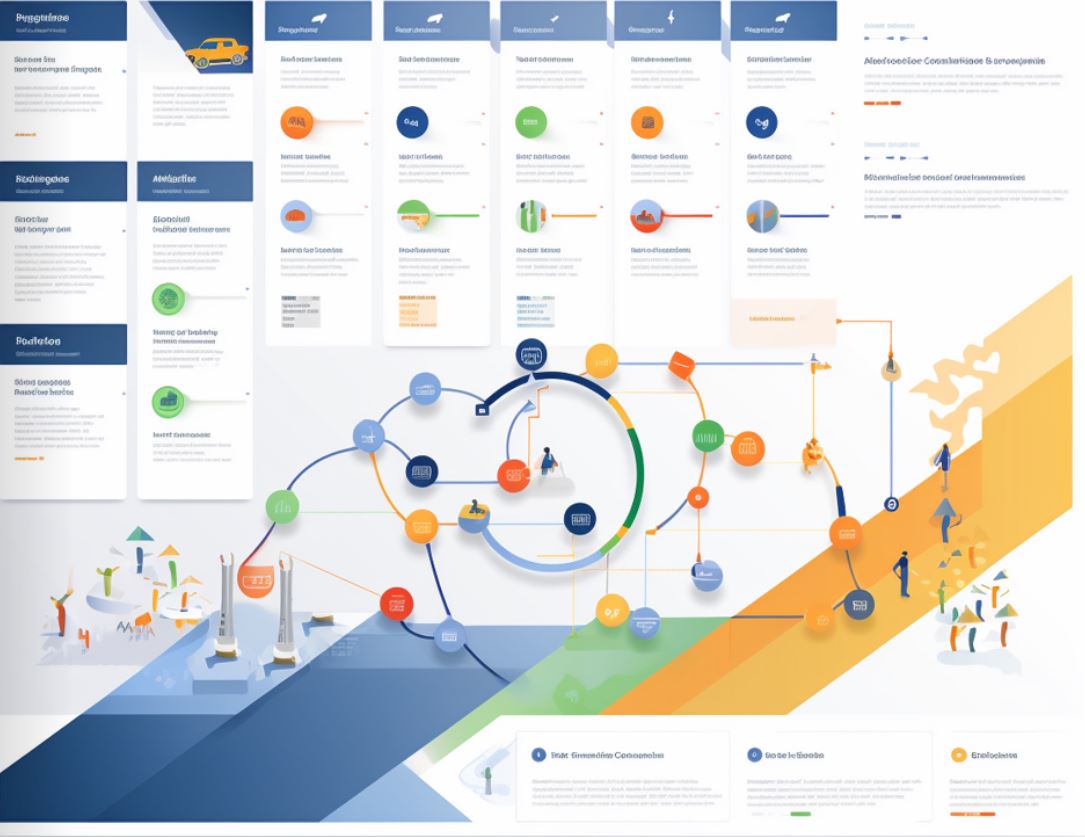
Management of projects in Architecture refers to the structured process of managing architectural projects from inception to completion and involves various phases and activities. Here are the categories, typically arranged in a chronological order:
At each of these stages, different types of expertise and focus are required. During the design stages, creativity and alignment with client visions are paramount. As the project moves into construction, the focus shifts to quality assurance, cost control, and adherence to schedules. Monitoring and controlling involve frequent evaluation and adjustment, while closure ensures all project goals have been met, documentation is complete, and the client is satisfied.
Good project management in architecture balances the artistic and technical elements of the profession to ensure that projects are not only aesthetically pleasing but also functional, durable, within budget, and completed on time
Post-occupancy evaluation completes the feedback cycle.
Although not always formally classified as a part of project management, Post-Occupancy Evaluation (POE) is an important phase that effectively closes the feedback loop, allowing architects to assess the impact of their designs and operations on the users.
Interplay of Categories Throughout the Project Lifecycle:
Each of these categories flows into the next, forming a comprehensive process:
It’s important to note that while these categories represent a sequence, project management is not strictly linear. It’s iterative, with feedback loops where information learned in later phases may influence earlier decisions, hence why monitoring and controlling spans various stages. Effective project management in architecture requires fluid communication, flexibility, and adaptability, all of which ensure that the final outcome aligns with the client’s vision, the community’s needs, and the architectural intent.